

UCSF HIV Clinic at Ward 86 staff statement on the death of UCSF social worker Alberto Rangel
January 5, 2026
For Immediate Release
Media Contact
Erin Williams
(256) 283-2208
erin@theworkeragency.com
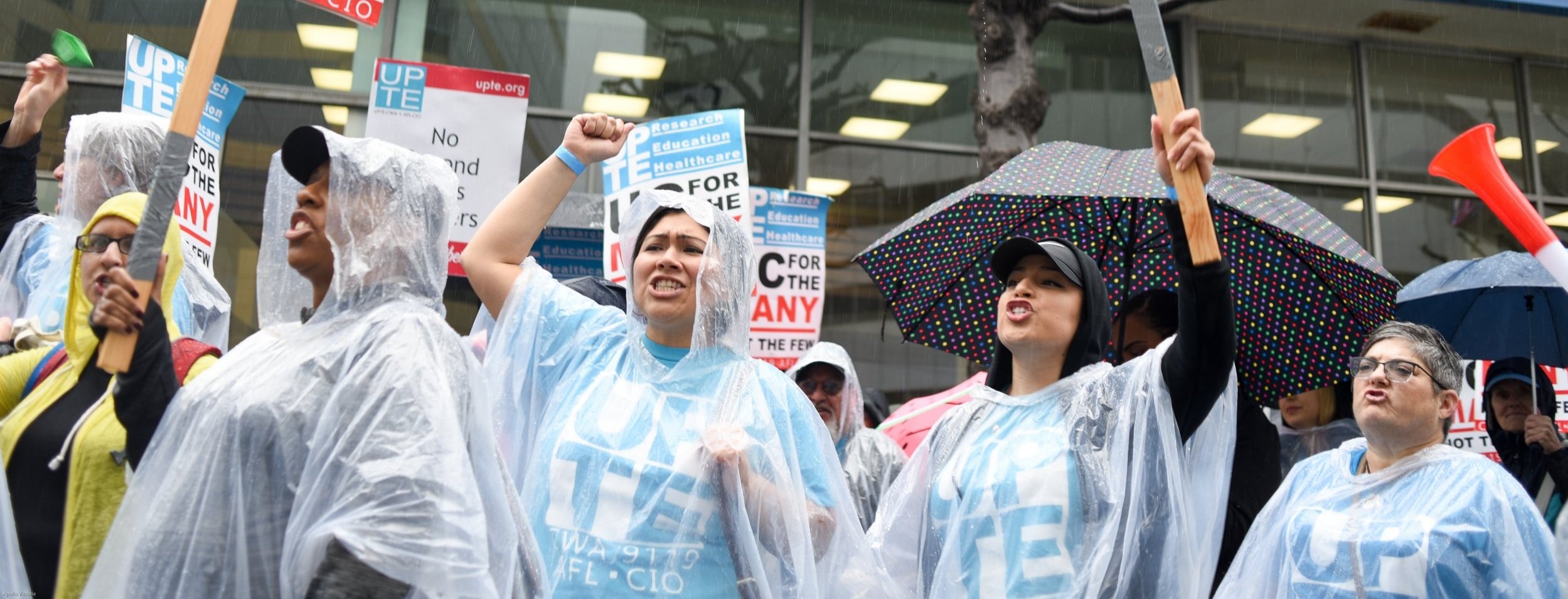
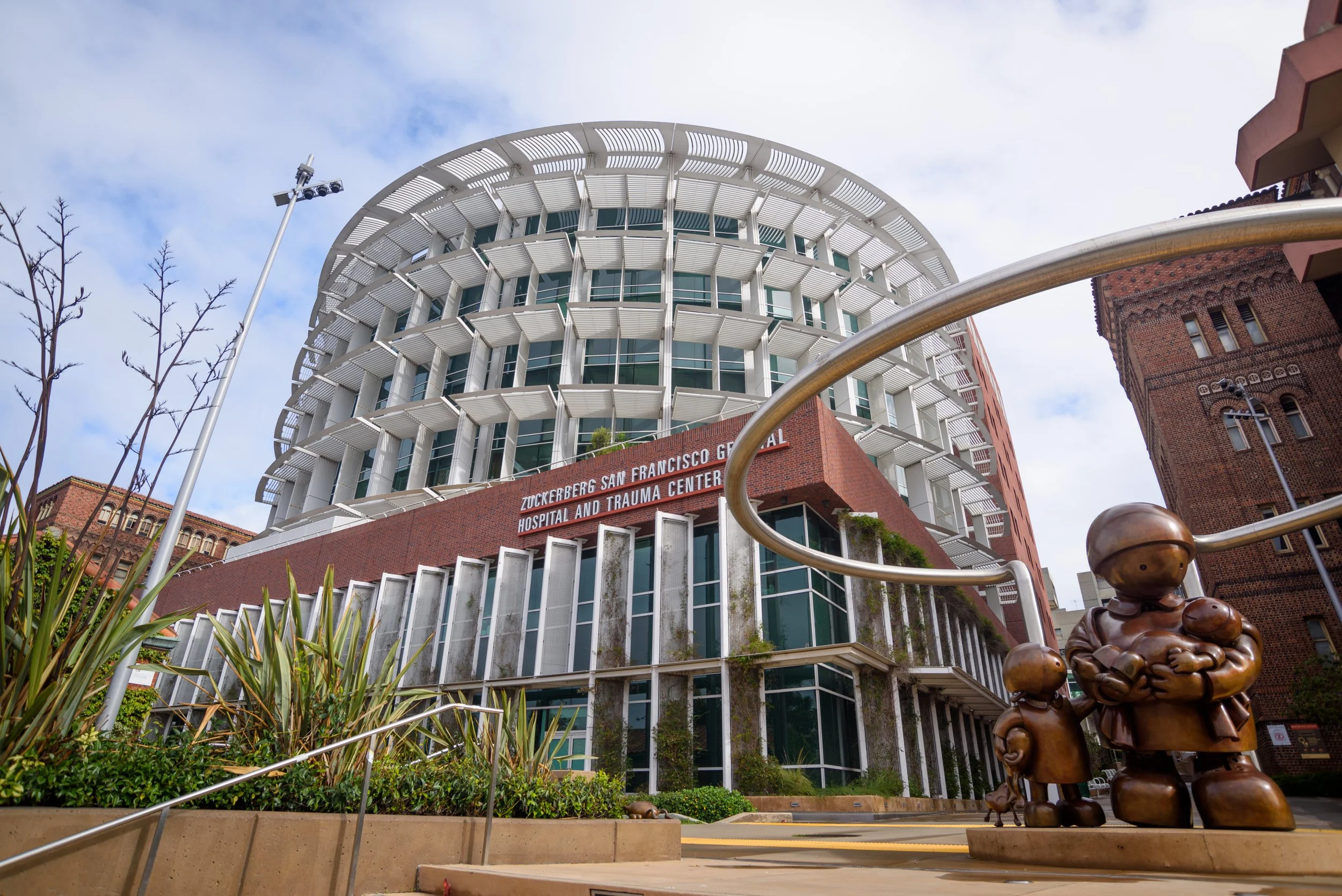
Frontline UC San Francisco staff at San Francisco General Hospital’s Ward 86—including eyewitnesses—have issued the following statement in response to the December 4, 2025, murder of their colleague, Alberto Rangel. They aim to set the record straight about the events leading up to his death and the institutional response that followed, correct public misinformation, and demand accountability and concrete action to address longstanding, preventable workplace safety failures.
Correcting the public narrative
In the weeks before December 4, 2025, staff across multiple programs flagged escalating safety concerns about the patient involved and repeatedly notified hospital executive leadership and the Director of Security. At least two weeks in advance, leadership was warned that the patient’s behavior was becoming increasingly unstable, including documented threats to stab healthcare workers. Providers explicitly voiced fear for their safety.
Despite these warnings, Ward 86 staff were never given a clinic-wide safety plan.
What happened on December 4, 2025
On the morning of December 4, leadership was informed that the patient had gone to another clinic demanding to see his doctor. Later, the patient came to Ward 86, stayed in shared patient areas, and attended a group session with other patients.
After the group ended, the patient said he would return later and demanded an in-person confrontation with his doctor. Staff told him not to return that afternoon.
Some staff were told, via email and verbally, that a sheriff’s deputy would be present around 1:00 p.m. A deputy arrived but later positioned himself near the north provider conference room—out of sight of the front desk and elevators. Staff were not told why the deputy was on the unit, and the deputy did not speak with staff or the doctor about his role.
Around 1:30 p.m., the patient returned. Alberto Rangel exchanged words with him in the hallway for less than five minutes before the patient violently attacked Alberto there.
Response to the attack
Eyewitness accounts from multiple staff members consistently establish that:
The sheriff’s deputy did not intervene immediately during the attack.
Ward 86 staff—not law enforcement—physically intervened to stop the assault.
The attacker remained unrestrained for several minutes after the assault ended.
Staff had to repeatedly direct the deputy to remove the attacker from the scene.
Medical professionals in Ward 86 provided life-saving care.
The area was not immediately secured.
The hospital Code Blue team arrived before emergency medical services.
It took approximately 15 minutes for EMS to arrive, even though Ward 86 is only one block from the City and County of San Francisco’s only Level I Trauma Center ambulance bay.
These facts are consistent across multiple eyewitness accounts. Accuracy matters—truth matters.
Public misrepresentations and institutional silence
On December 4, 2025, the City and County of San Francisco Sheriff’s Office publicly claimed the deputy “intervened immediately, restraining the subject and securing the scene.” Multiple eyewitnesses say this is false.
Staff raised these inaccuracies with hospital and public health leadership the next day and asked that the public record be corrected. Leadership declined. Since then, additional public statements from affiliated organizations have further mischaracterized what happened, while city, hospital, and public health leaders have remained silent. Allowing false accounts to stand has retraumatized staff and signaled that protecting institutional reputation is being prioritized over truth and accountability.
UC San Francisco and the Department of Public Health’s response to date
As workers who endured a traumatic event on the job, we are owed trauma-informed support from UCSF and DPH. Instead, since the attack, staff have faced explicit and implicit pressure to stay quiet, delay public truth-telling, and shoulder the fallout privately. We reject that.
Seeking accuracy, accountability, and safety is not disruption—it is a professional responsibility. Efforts to silence staff through delay, procedural containment, or inaction compound the original harm and further erode trust.
What we are demanding
We are formally requesting (click each item to see an expanded view of the demand):
-
UCSF and the Department of Public Health (DPH) must publicly acknowledge what occurred on December 4, 2025, and correct the public record by addressing and repudiating inaccurate statements issued by the San Francisco Sheriff’s Office.
-
We demand a transparent public accounting of the systemic failures that led to this preventable death, including failures in threat assessment, security planning, communication, and emergency response. We want to speak directly to the outside investigator hired by DPH to investigate this event. We also ask for a comprehensive evaluation of the San Francisco Sheriff Department’s capability to keep staff and patients safe, their contractual obligations as security services for DPH, accountability for when they fail – as occurred in this case, and a transparent evaluation of all available options to provide optimal security services for our campus, including outside security services.
-
We demand that UCSF provide paid administrative leave at least through Monay, January 5, 2026, for staff who were directly impacted, traumatized, or who do not feel safe returning to work while a comprehensive safety plan is developed and implemented. This violence did not occur in a vacuum. It followed documented warnings, escalating threats, and failures in safety planning and response. The trauma staff are now experiencing is a direct result of those failures. The institutions involved, therefore, bear responsibility both for preventing such harm and for fully supporting staff recovery when prevention fails. We demand to be part of the conversation about our leaves, as this has not been the case in the last few weeks.
Recent correspondence from UCSF informed Ward 86 staff that they are expected to utilize bereavement leave starting just 2 weeks after this event, which is drawn directly from employees’ personal accrual banks. Under this approach, staff who lack sufficient accrued time would be unpaid. This shifts the financial burden of a workplace killing onto the very employees who were placed in harm’s way. Following this unprecedented event, asking staff to use their own sick, vacation, or bereavement time, or to file disability claims or other voluntary unpaid or partially paid leaves during the holiday season, does not align with the trauma-informed approach that UCSF and DPH champion.
-
A workplace homicide is not an ordinary occupational stressor—it is a profound psychological injury.
UCSF and DPH must prioritize and fund the mental health recovery of Ward 86 staff as a core institutional responsibility, not as an optional benefit or individual burden.
This includes:
Institutionally funded, trauma-informed mental health services provided on paid work time
UC should fully cover the cost of any mental health services rendered in relation to this event, and employees should be able to receive mental health services from clinicians of their choice, without forcing them to terminate established clinical treatment abruptly. Additionally, employees should not be required to use PTO or sick leave to attend therapy or mental health–related appointments. Such time shall be logged and compensated as regular time worked.
Explicit assurances that staff will not be penalized for accessing care, taking protected leave, or speaking publicly
Facilitated debriefings and ongoing psychological support
Long-term funding commitments recognizing that trauma does not resolve on an arbitrary timeline
Failure to fund recovery is a continuation of harm.
-
Frontline staff must have an ongoing seat at the table with DPH and UCSF in decisions regarding clinic safety, security protocols, and threat management, including but not limited to workplace violence prevention plans. Safety plans developed without those most at risk are neither credible nor effective. We ask that DPH and UCSF commit to processes that solicit and include the input of clinical staff affected by decisions about safety, including but not limited to committees or groups representing staff from each clinical site; Ward 86 staff should have input on decisions affecting the safety of Ward 86.
Creating safer spaces does not need to come at the expense of providing patient-centered, trauma-informed care. Expansion of the Behavioral Emergency Response Team (BERT) to Buildings 80/90 should be a priority to improve safety for both Ward 86 staff and patients.
-
The ongoing underfunding of behavioral health care contributes to a lack of safety for clinicians and patients. We ask for a clear commitment and plan from UC to address the chronic understaffing of behavioral health at Ward 86 and UCSF Campus clinics/programs, and to address the recruitment and retention crisis.
We also ask that UCSF and DPH commit to a comprehensive process to evaluate behavioral health staffing needs for all patient care settings, including but not limited to defined minimum staffing and caseload limits, security standards for high-risk situations, and additional behavioral health staff support in-unit for all teams that provide risk assessments as part of their role.
Alberto Rangel died doing work he loved. Honoring his legacy means ensuring we can continue caring for patients in a safe workplace. We will not be silenced by misinformation or institutional silence. We are healthcare professionals demanding what every worker deserves: truth, safety, paid leave with fully funded mental health services, respect, and a real voice in ongoing decisions.